


For the past several years, artificial intelligence has been sold as the answer to rising labor costs, operational inefficiencies, and productivity challenges. On paper, the equation appears simple: lower costs, faster execution, and fewer human bottlenecks.
Yet recent events suggest a more complicated reality. From Pizza Hut’s legal dispute surrounding its AI-powered delivery platform, to Starbucks abandoning an AI inventory management tool, to Uber discovering unexpected costs associated with widespread AI coding tool adoption, businesses are beginning to learn an important lesson: being wrong can be far more expensive than being slow.
As CEOs, we spend a great deal of time evaluating the cost of labor. We spend far less time evaluating the cost of mistakes. In the age of AI, that may be one of the most important conversations we can have.
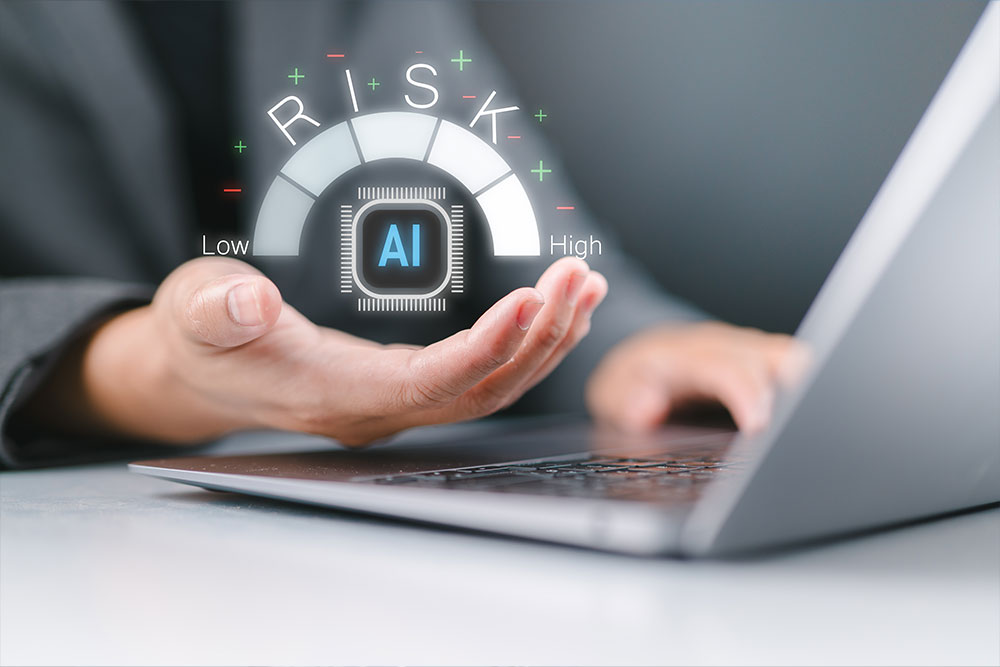
The greatest risk of AI is not that it will replace human expertise. The greatest risk is that organizations begin trusting it in places where expertise is still required.
At MINDSCAPE, we have spent the last two years actively testing AI platforms, evaluating outputs, scrutinizing security practices, and building governance policies around responsible adoption. We are enthusiastic adopters of AI. We believe it has the potential to transform the way businesses operate. But our experience has also taught us that enthusiasm without oversight can create significant risk.
One of the biggest misconceptions surrounding AI is that it is always right. In reality, AI often delivers information with a high degree of confidence regardless of its accuracy. In our own testing, we have seen platforms generate reporting data that appeared completely legitimate but was ultimately incorrect.
In one instance, we utilized an AI platform to analyze revenue performance for a client with a large and complex product catalog. The prompt had been refined over time and had produced reliable results in the past. Yet the revenue figures returned by the system were inaccurate. The discrepancy was only identified because a team member with deep knowledge of the account felt something was off. After manually calculating the numbers, the team confirmed the error.
When the AI was prompted again, it produced an entirely different set of numbers—and neither answer was correct.
In another situation, we adopted a reporting platform that leveraged AI-driven analysis and aggregation. We carefully vetted the software and initially trusted the data it provided. When a client questioned the accuracy of the reporting, we investigated, believed the issue had been resolved, and moved forward. During the next reporting cycle, the same problem reappeared. Ultimately, we abandoned the AI-assisted reporting process for that client and returned directly to the source platform for validation. It was slower. It was more manual. But it was accurate.
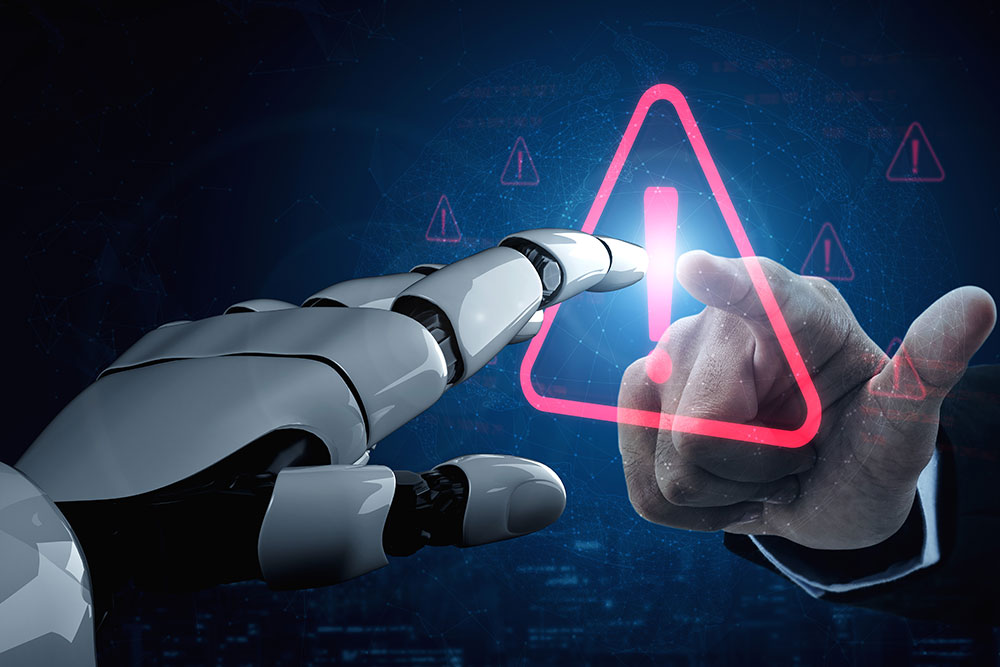
Those experiences reinforced a lesson that every executive should consider: AI does not fail loudly. It fails confidently.
A broken machine is obvious. A hallucinated report, an inaccurate inventory count, flawed financial data, or insecure code often looks perfectly legitimate until someone with expertise recognizes that something does not make sense.
This is why I believe AI lowers the barrier to entry but raises the barrier to excellence.
Twenty years ago, building a website required specialized expertise. Today, AI can help almost anyone launch a website, generate content, write code, or create reports. The floor has dropped dramatically.
But creating a secure website, producing meaningful analysis, developing scalable systems, protecting sensitive data, and making strategic business decisions still requires experience, judgment, and expertise. In many ways, the value of human knowledge is increasing, not decreasing.
The professionals who will thrive over the next decade are not those who reject AI. Nor are they the ones who blindly trust it. They are the individuals who combine deep expertise with AI-assisted execution.
This reality has significant implications for the workforce. Entry-level competency is no longer enough. The threshold for value creation is rising. Knowledge workers must continue developing their craft, strengthening critical thinking skills, and learning how to leverage AI effectively while understanding its limitations.
Organizations face a similar challenge.
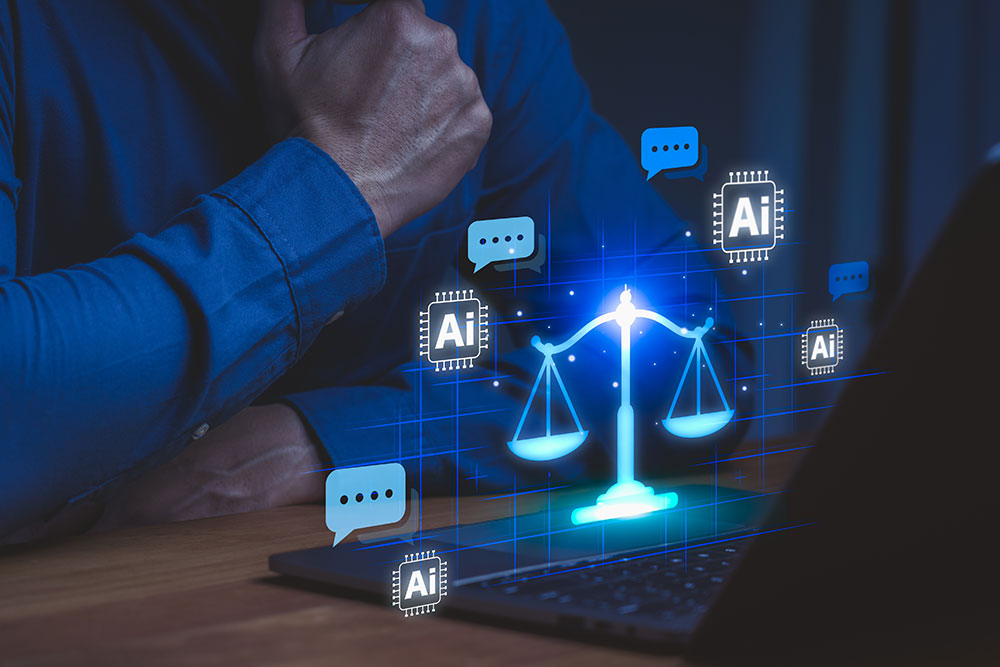
AI should accelerate decisions. It should not own them.
In industries involving healthcare, legal services, manufacturing, financial data, cybersecurity, and any area affecting human well-being, human review remains essential. The consequences of being wrong are simply too high.
That is why governance matters.
Before deploying AI broadly, organizations should establish clear policies, evaluate vendor security practices, understand how data is handled, implement review processes, and ensure human accountability remains part of the workflow. At MINDSCAPE, every deliverable receives human review. Team members are trained on AI usage policies. Software providers are evaluated for security and compliance. Regular reviews are conducted to assess risk and performance.
None of these measures exist because we fear AI. They exist because we believe in using it responsibly.
The future is not a choice between humans and AI. It is about building organizations where each strengthens the other.
AI can help us move faster. It can improve productivity, accelerate research, eliminate repetitive work, and unlock new opportunities for innovation. But judgment, accountability, creativity, and expertise remain distinctly human responsibilities.
The companies that succeed will not be the ones that remove people from the process. They will be the ones that thoughtfully combine technology with human oversight.
Because in business, being first rarely matters if you are wrong.
And being wrong is almost always more expensive than being slow.

— Amanda Brand
CEO, MINDSCAPE